Over the peaks and back again
So many times, I opened this post with the best of intentions. So many times, something else called me away from it. By the end of October, I had to accept that there was no space for outward looking, my attentions were all being called inwards. Specifically to my family. More specifically, to the man I have hitched my wagon to. N became seriously ill in mid-October, culminating in a seizure (hands down the scariest thing I have ever seen) and was hospitalised for eight days.
Those were long days where I shuttled back and forth betwixt home and hospital, fitting work in around the corners of my life. No sooner had he recovered and been set free, than his mother was taken in and the Gods of the Hospital Parking were once more called upon.
These proved largely beneficent but they found other ways to punish us as we experienced car trouble, boiler trouble and then, to cap it all off, my phone broke. Completely and utterly shot: blank screen, no charge, no hope. It was one of those times where the Gods decide to see how much you can deal with At Once just for the fun of it.
Needless to say, I was left both hypervigilant and bug-eyed with stress, feeling as though I were turning in relentless albeit ineffective circles, so a few days away in Derbyshire, near Eyam, sounded just the thing to recharge. The door lock broke on the morning of departure, delaying everything by a couple of hours and £100, but we got away in the end. It was very much a case of grim determination over whatever the fates threw under my feet.
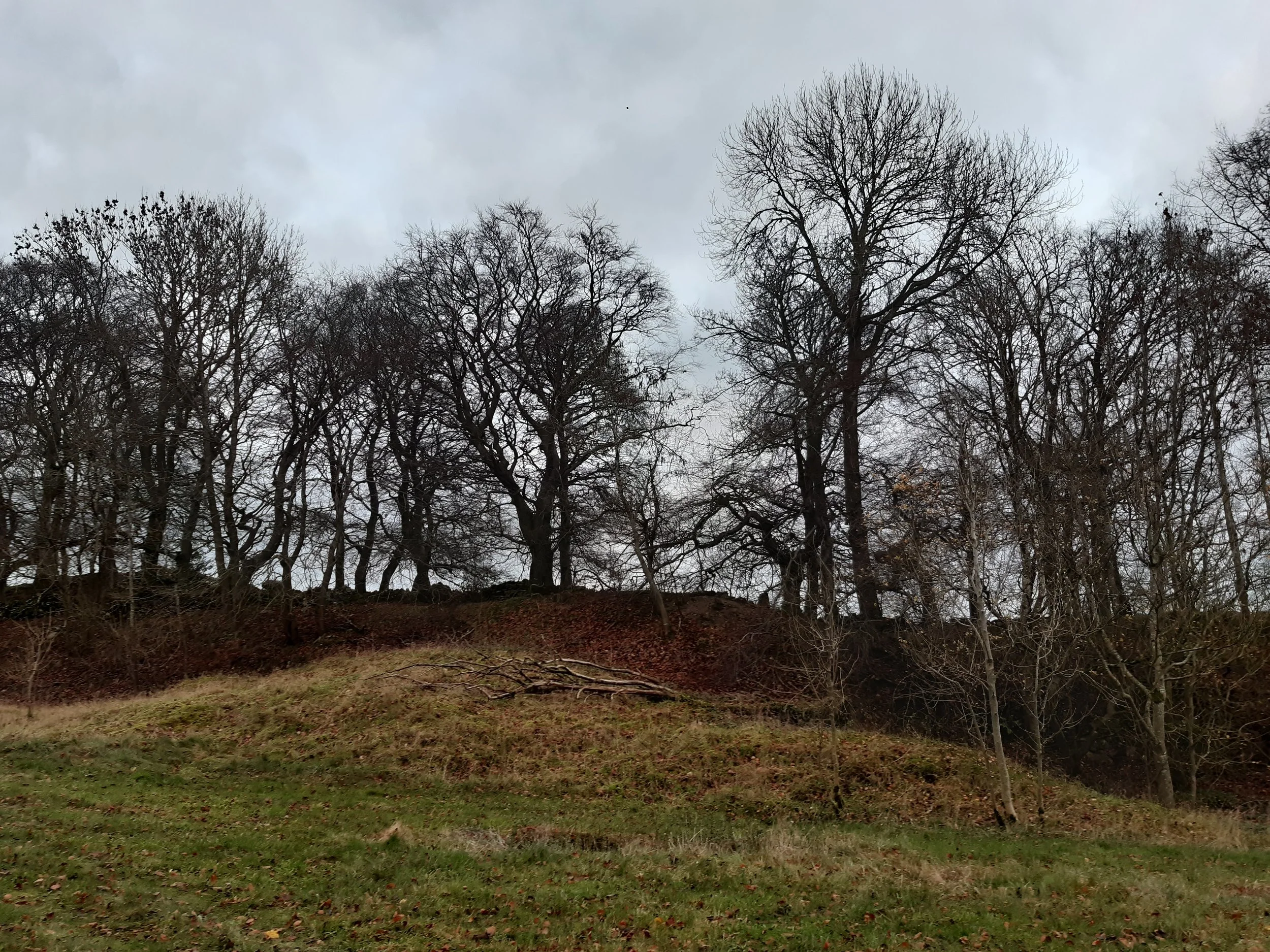
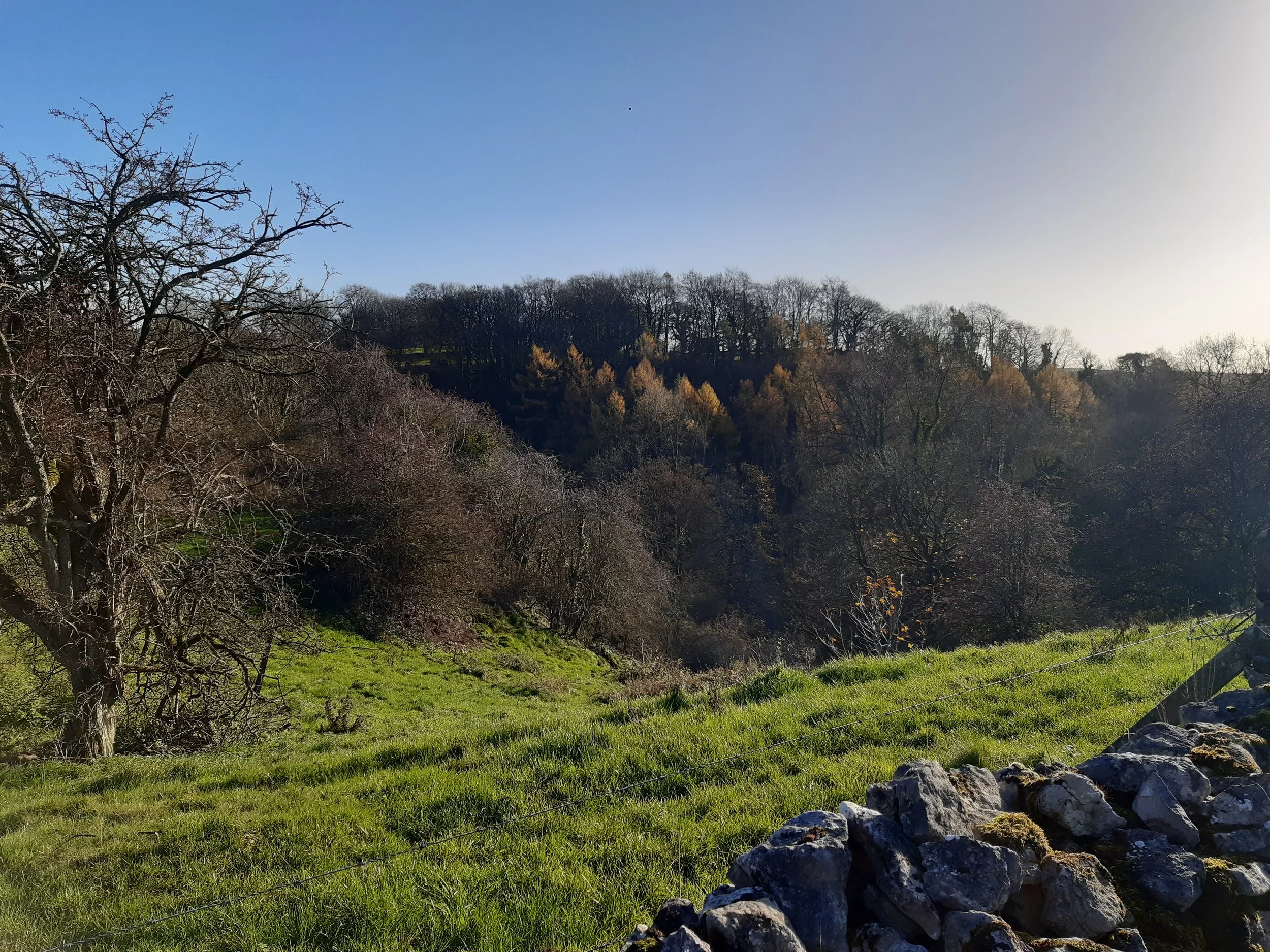
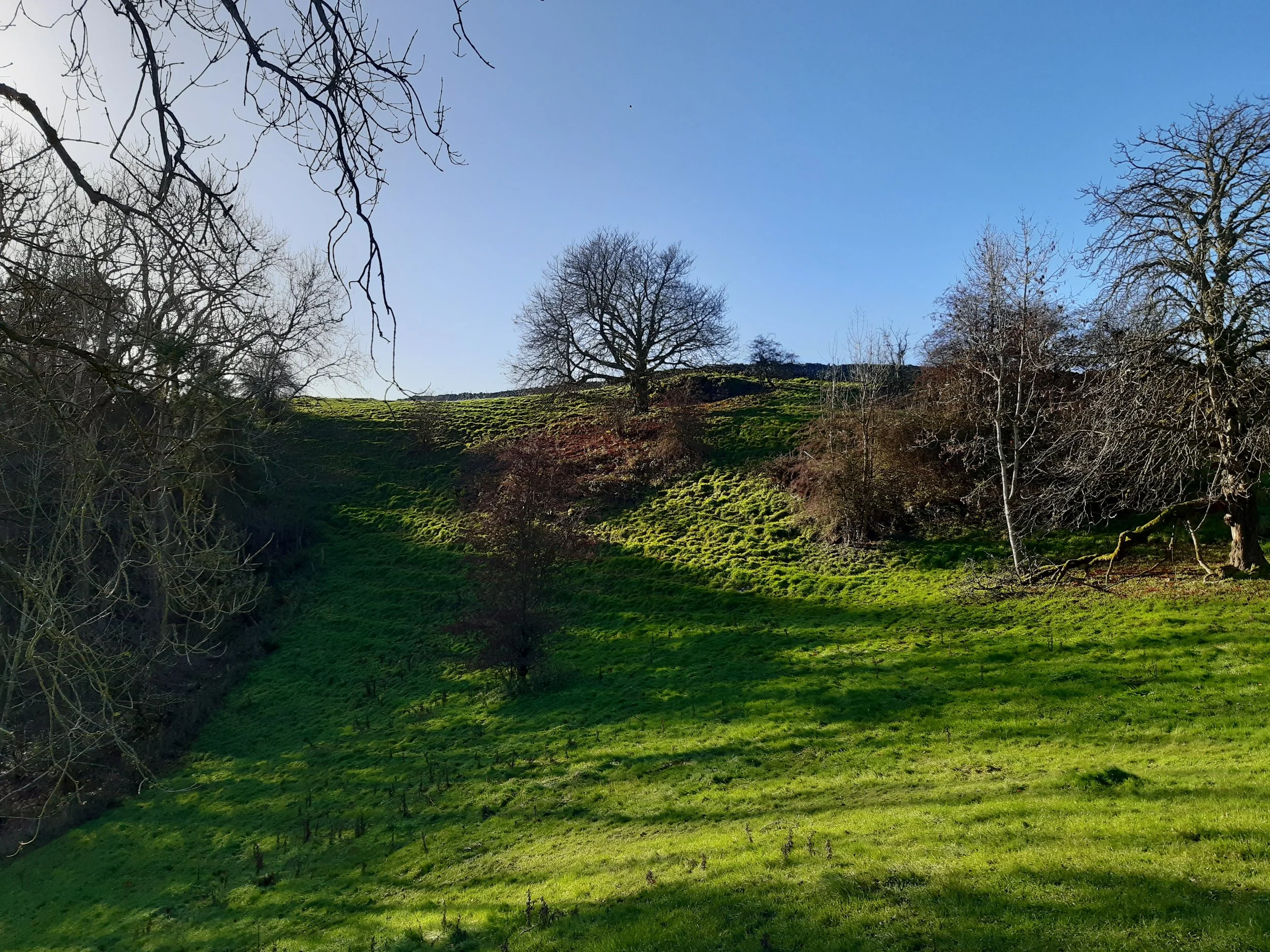

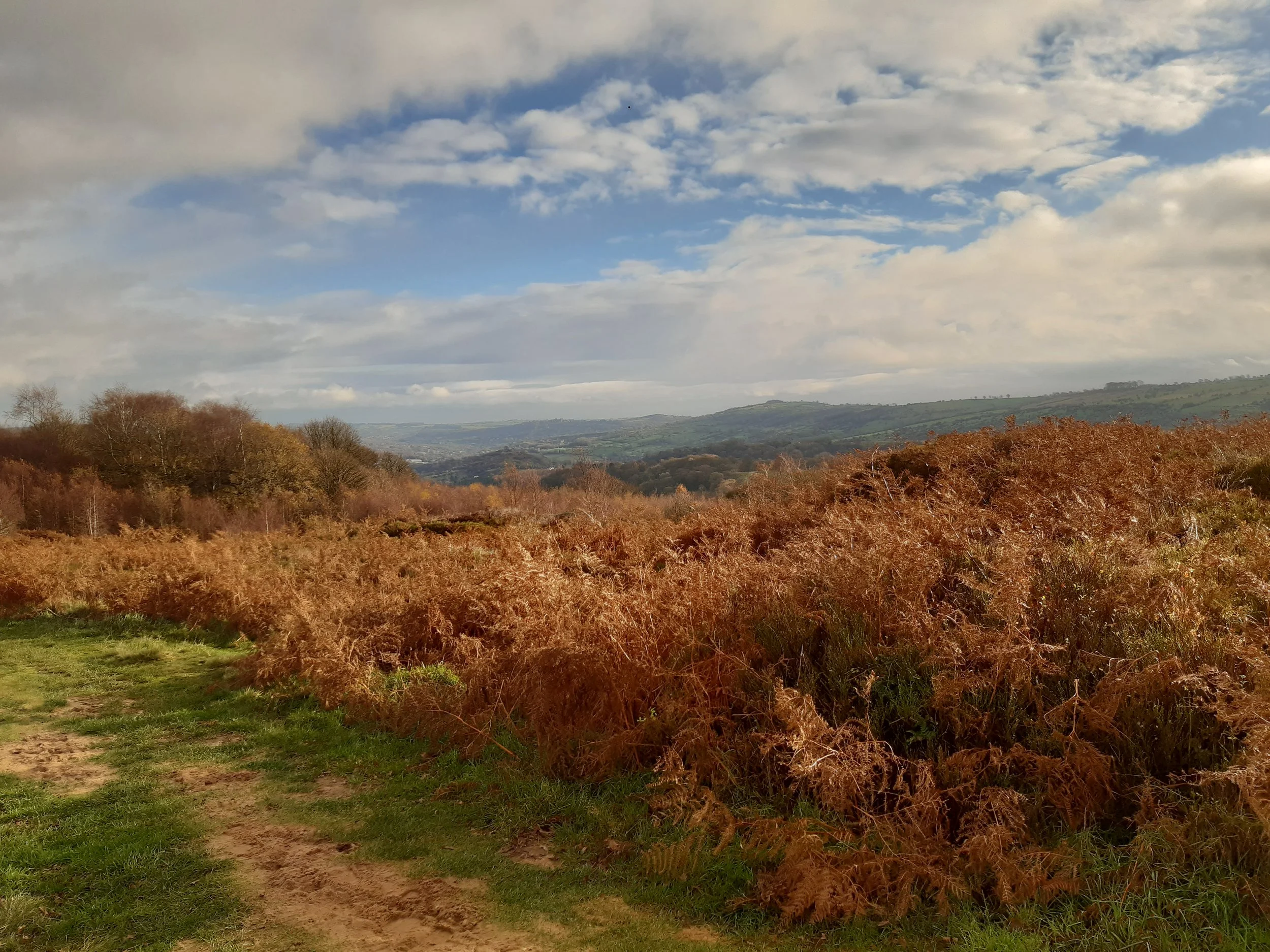
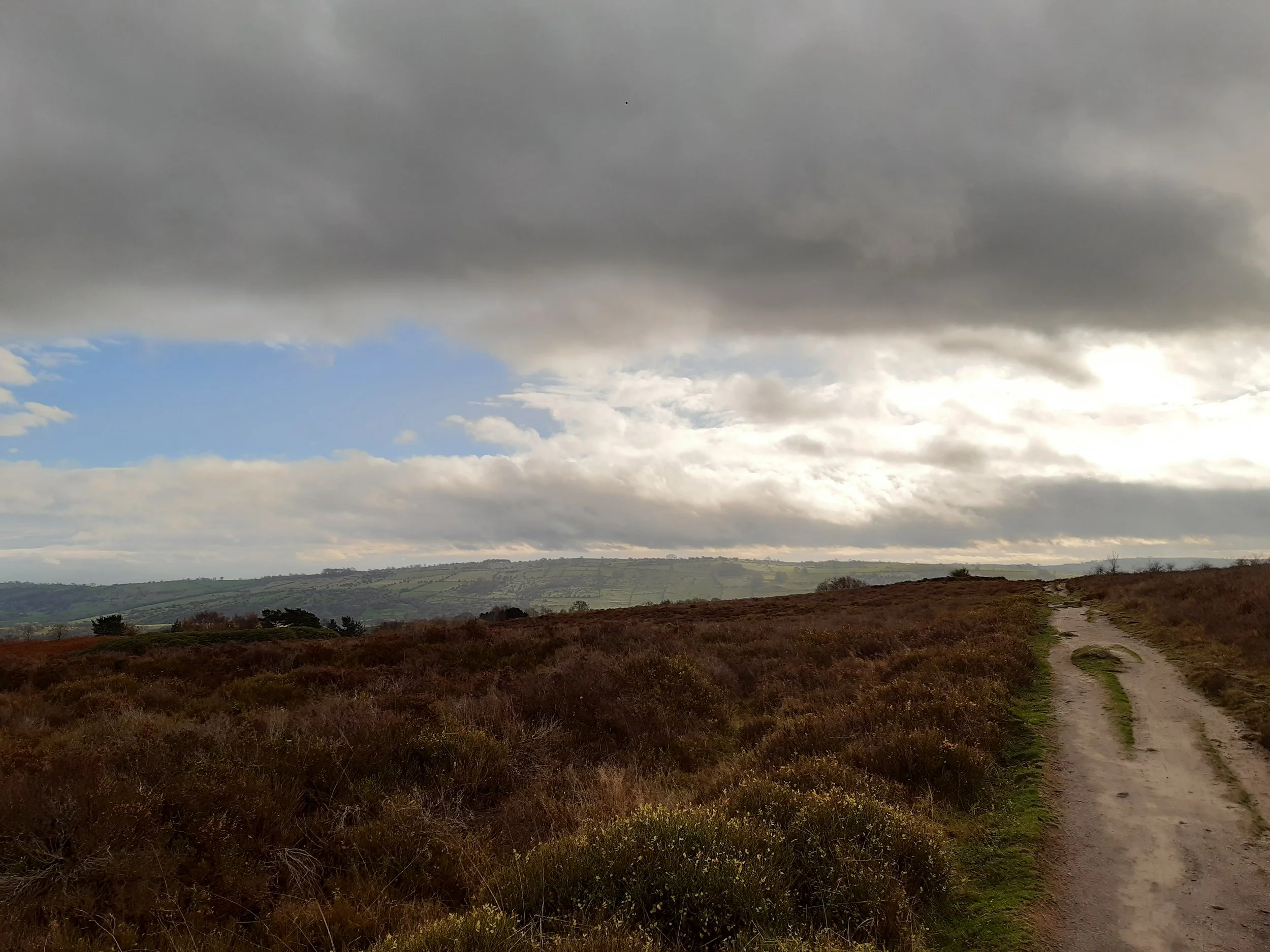
And so I entered the Peaks with a temporary phone and a head full of worry. I’d never visited that part of the country before and I was unprepared for just how beautiful it was, in full autumnal bloom. I had my son with me for company, a recuperating husband resting at home, several books to read and four whole days to explore Eyam and the surrounding area. The cottage contained wide beds, a log stove and a means of making coffee that was neither complicated, nor delivered the coffee cold. I could have stayed there the whole winter.
Our first two days were spent in Eyam. If you have never been there and never heard of it, there is one particular reason why it is famous: in 1665, the plague came into the village in a consignment of cloth and spread through the population at frightening speed. The Reverend Mompesson, recently transferred from the North East, knew the disease for what it was and, together with his predecessor, convinced the villagers to quarantine themselves for the duration so they did not pass the infection onto any other village.
Which they did. Families buried their own dead, supplies were delivered and left at the boundary stone (third picture below), lovers never met again, church services were held outdoors, the streets were deserted: no one went in or went out of the village. Even today, talking with the tour guide, we were struck with how much bravery this called for, how desolate the place would have seemed. Footsteps echoing in silent streets.
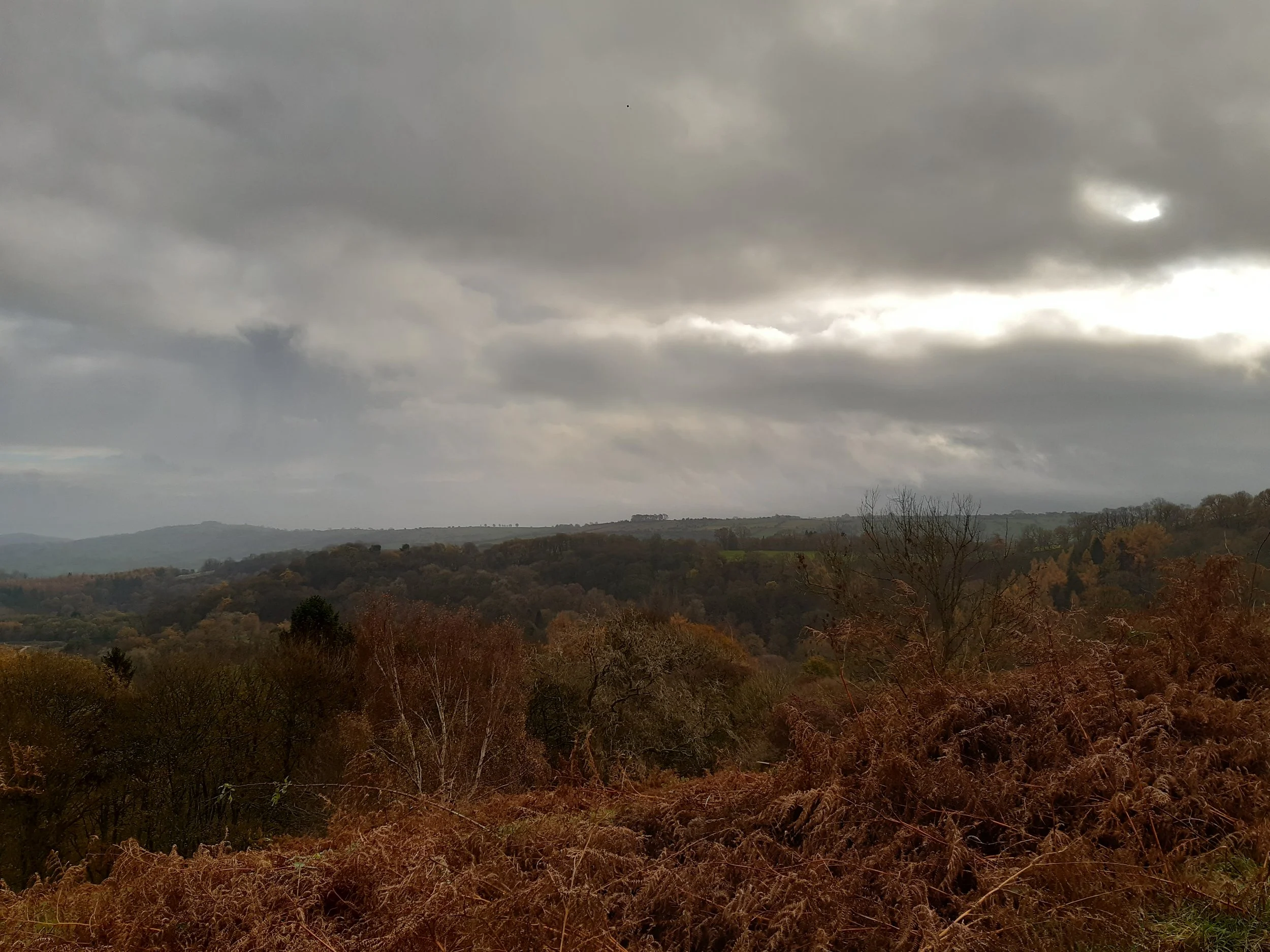
In some places, you could feel the grief. One of our walks on the second day took us right up to the Riley graves, high up above the village, looking out over the valley dressed in its best autumn velvets, where the sadness was almost tangible in the air and we were moved beyond words.
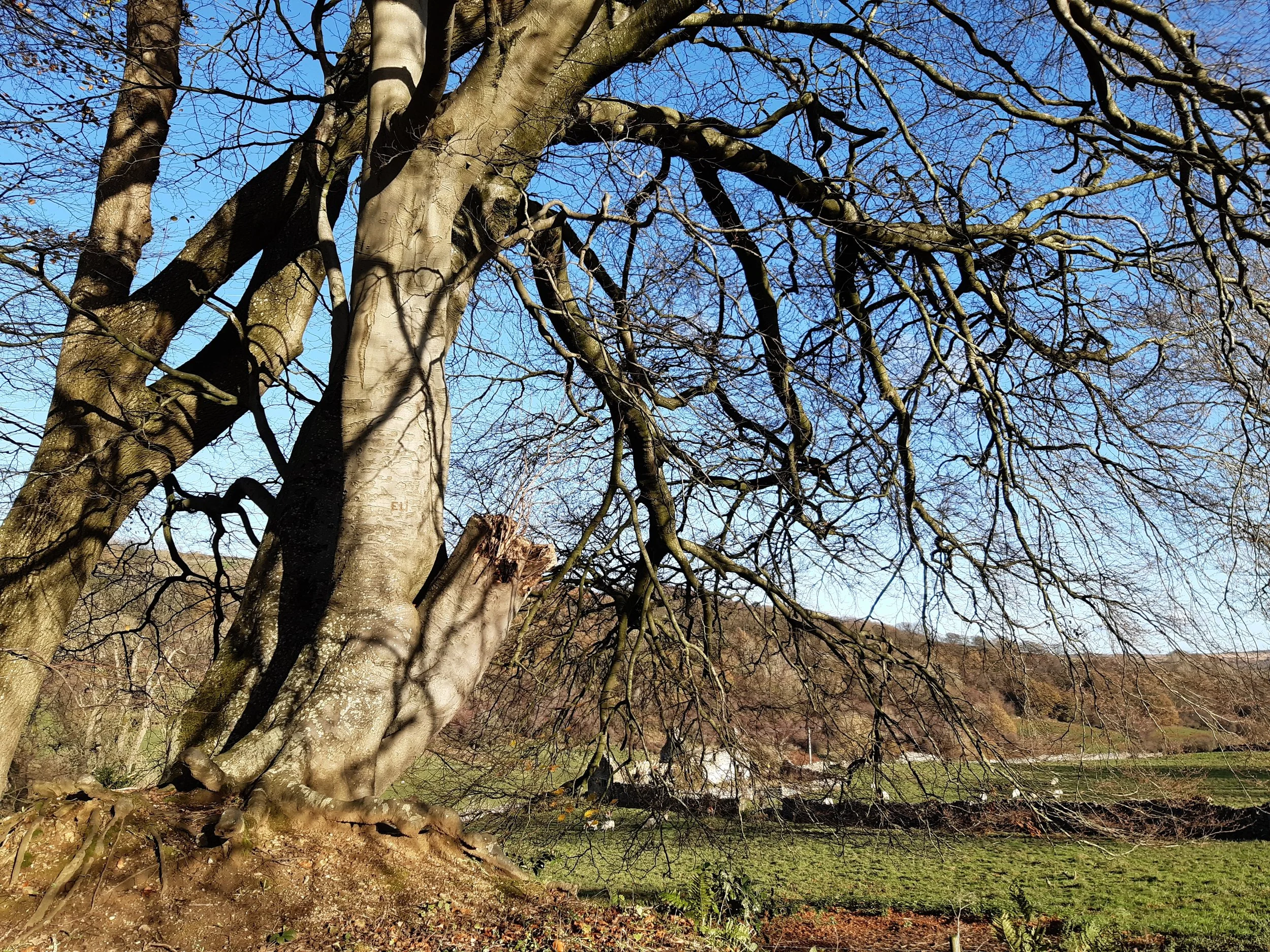
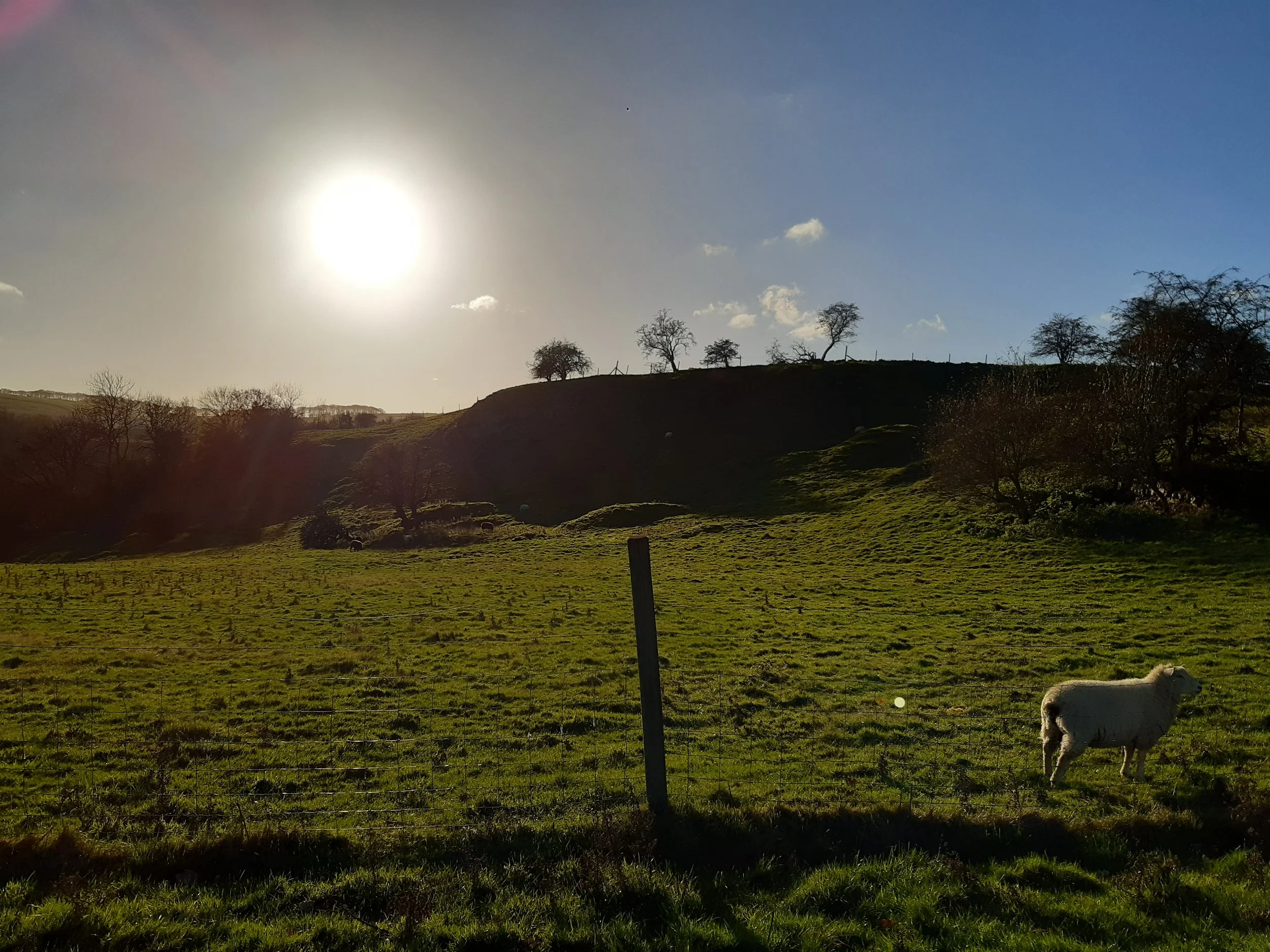
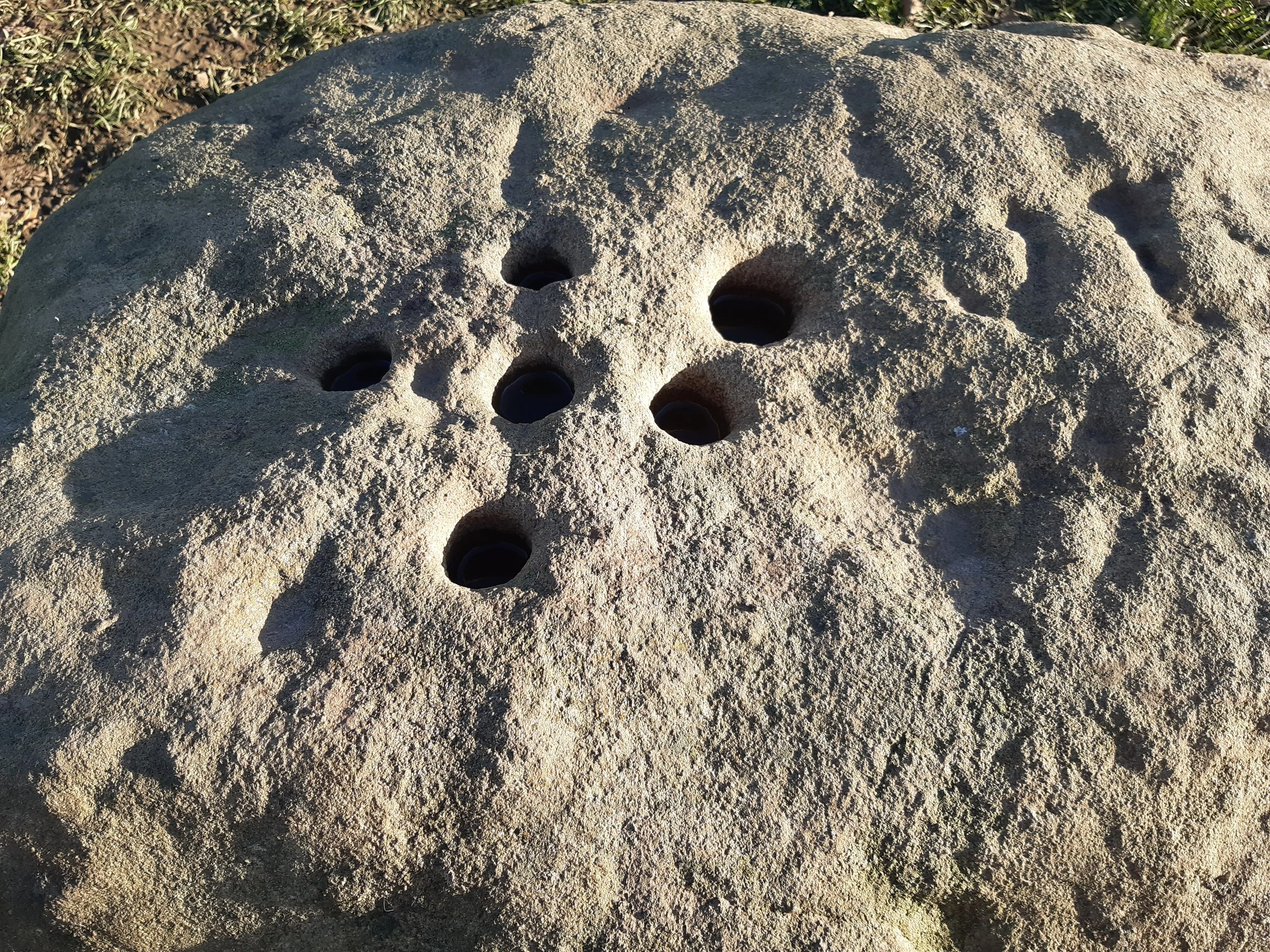
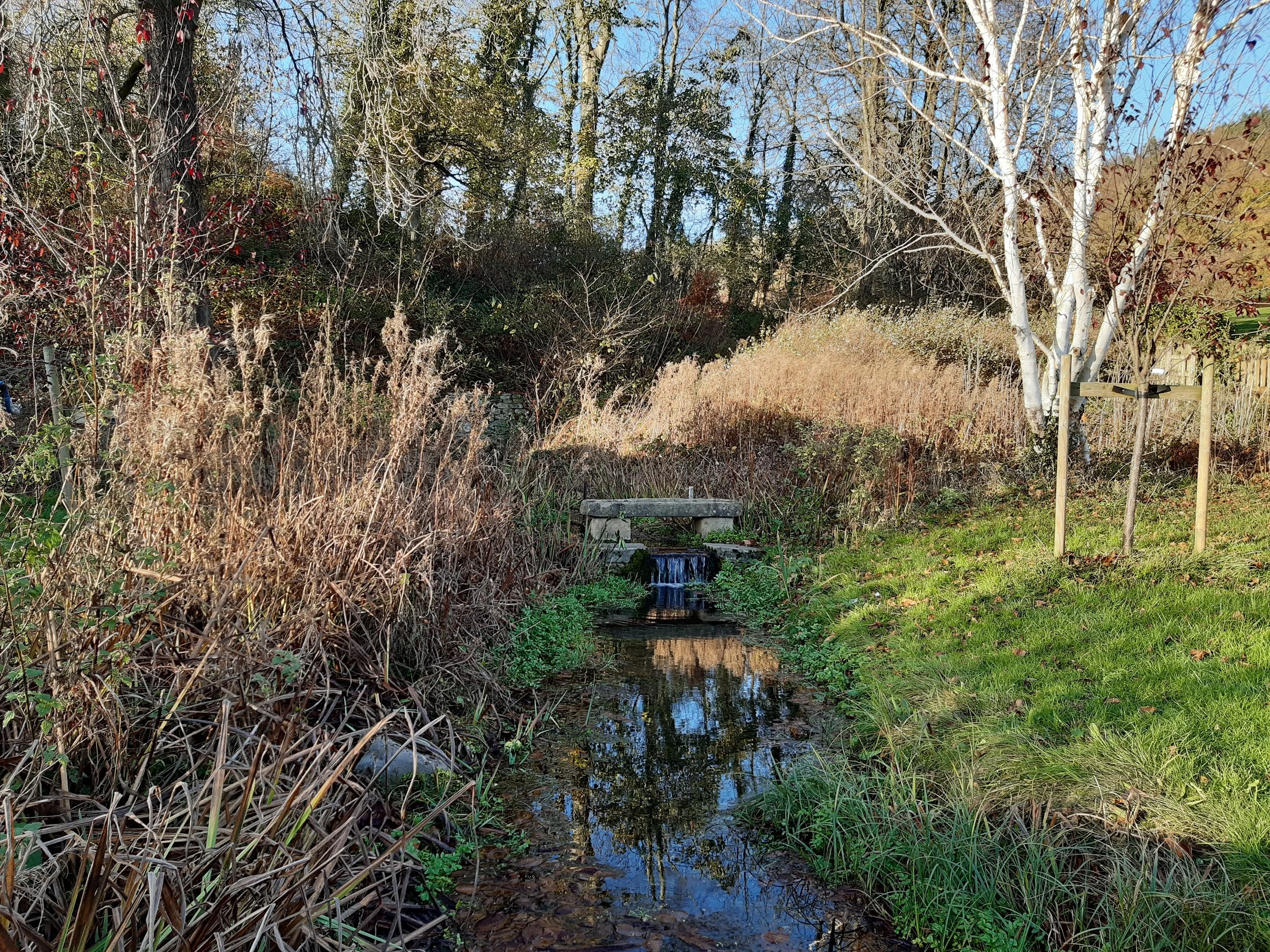
Our third day was to be a drive and walk extravaganza as we had identified several burial chambers and standing stones to visit. We donned our finest waterproof gear and set off, despite the glowering clouds and the wind thrashing the tree branches about.
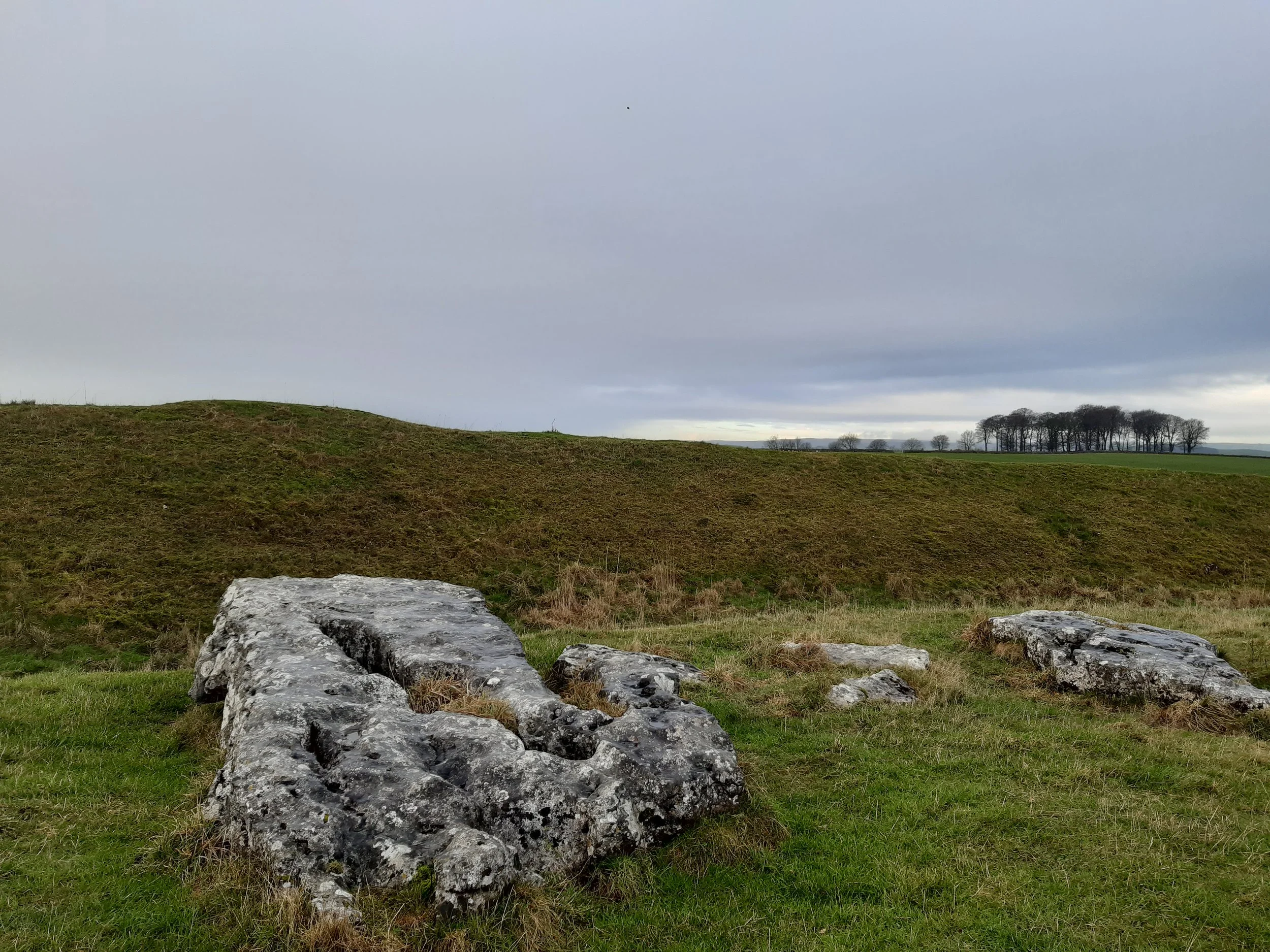
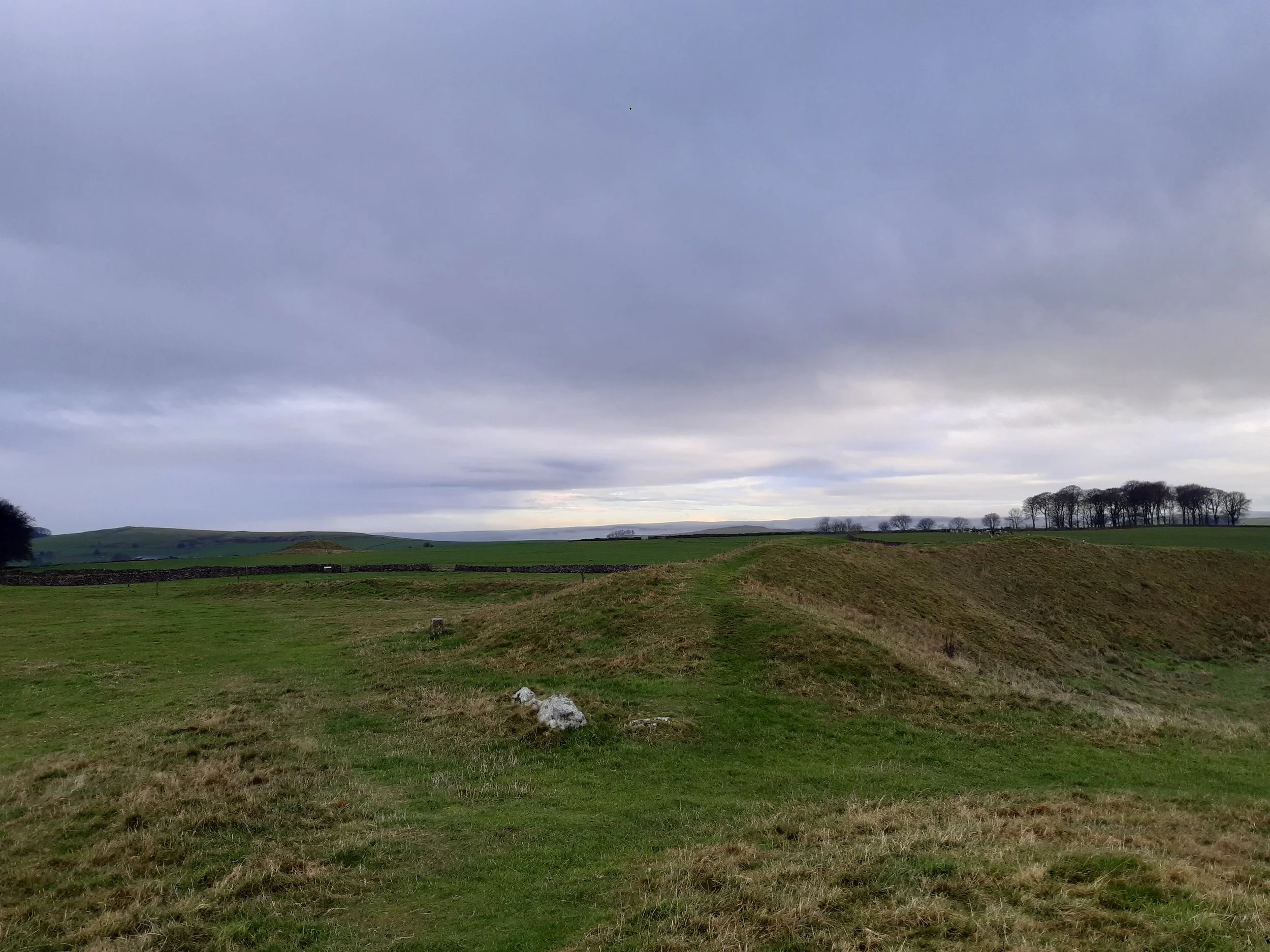
First stop, Arbor Low, a Neolithic stone circle with the Gibb Hill burial mound just behind it. We watched the wind blow patches of blue sky away as the sleet came at our faces, horizontally, the sky a strange sulphur-grey. It was perhaps a more fitting atmosphere for visiting than blue skies and sunshine would have been.
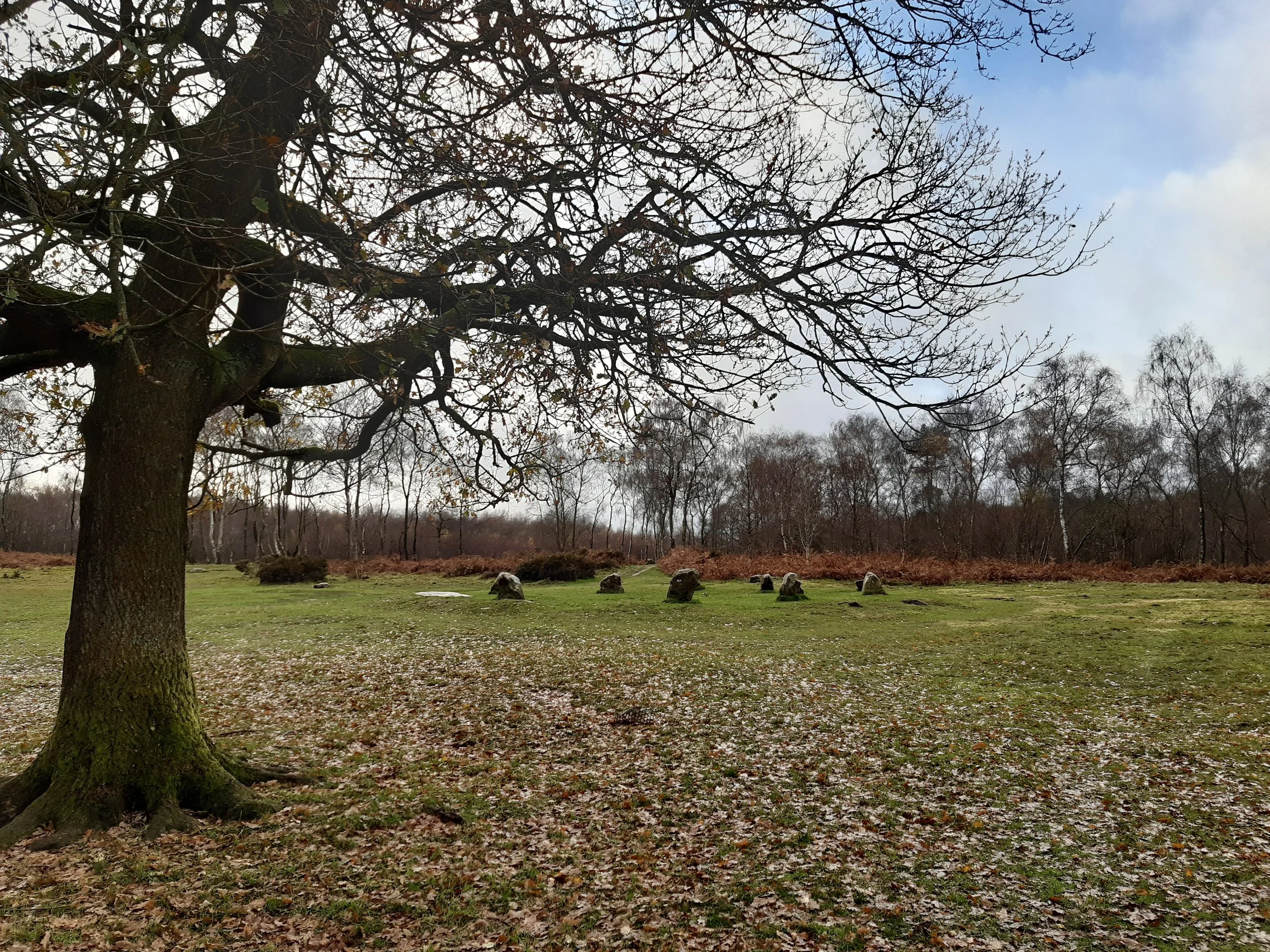
A quick stop at a cafe to refresh, then on to Nine Ladies Stone Circle, high up, up and through the bracken to Stanton Edge, scrambling along sandy gritstone pathways, trying not to lose our way, or our nerve, as the weather continued to throw itself at us with ever increasing fury. The stones were set in a grove of young birch trees. It was easy to imagine what they would have looked like, exposed to the vast expanse of the Edge, and all the fury of the elements.
Or maybe they would have been in a grove of oaks, hidden and secret, just for themselves and their gods. C and I enjoy the speculation as much as we enjoy the actual places.
By the time we were down from the Edge, via the collapsed road, the weather had set in with a ferociousness that suggested trying to walk anywhere else was foolish, so we retired to a pub for a late lunch and a hot drink.
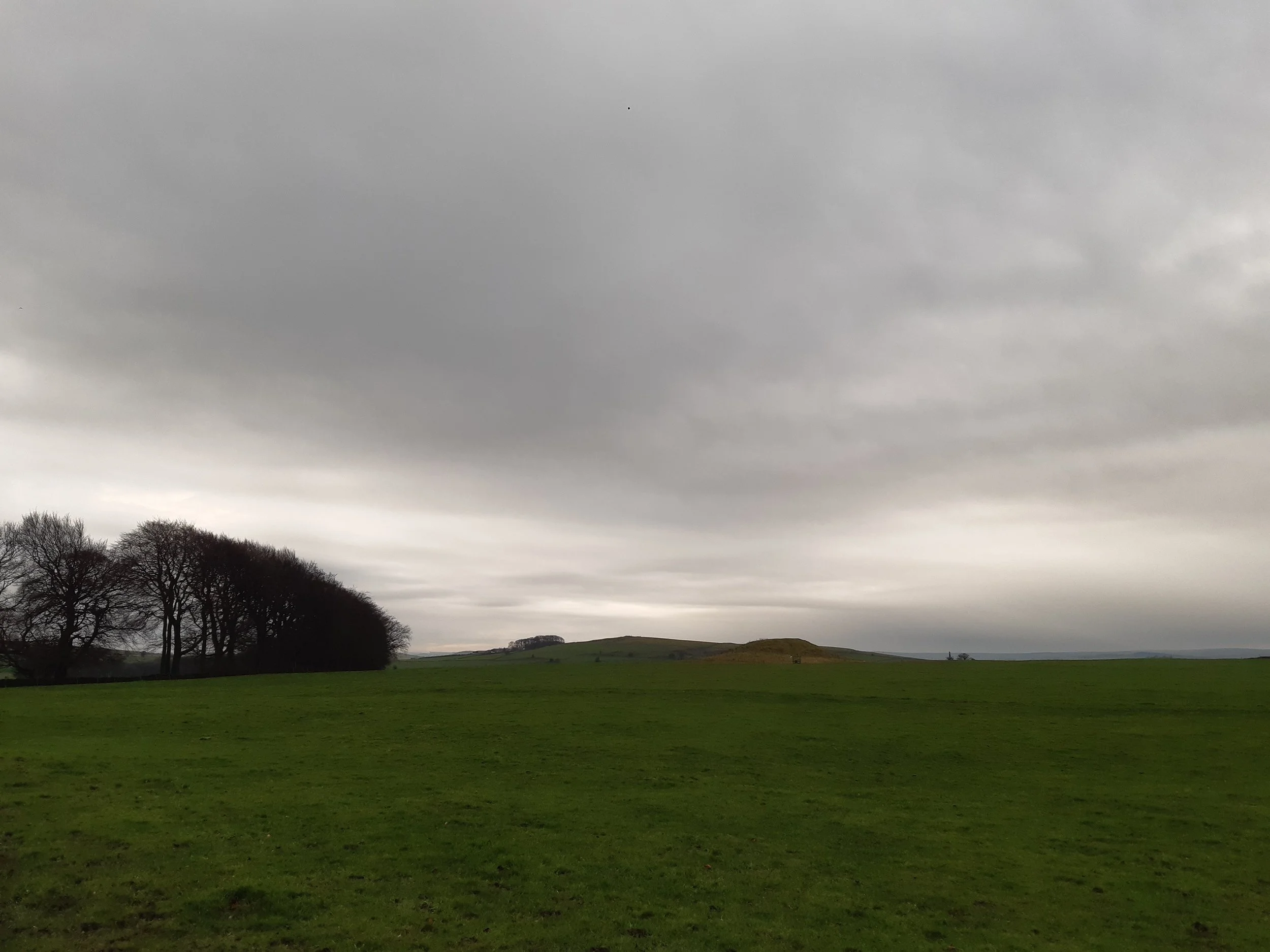

And our fourth day? Well, November had not quite done with me, so there was one more medical emergency necessitating a long drive over the Peaks, along the narrow, hairpin roads with sheer drops on the other side of the car, in the dark, in the blistering rain and gathering fog, until we reached home, cats and solid ground at 11pm. I finally stopped shaking somewhere around 2am. We did not get to eat Bakewell tarts in Bakewell or gaze in wonder at the viaduct, but that just means we need to go back, and that’s fine with us. Derbyshire needs more time.
My lasting impression was of an old landscape, one that wasn’t necessarily welcoming to humans (landslides, flooding, peaks that seem to watch you pass) but one that was full of secrets it might tell you if you behaved right.
And now, what does the rest of the year hold as the darkness closes in and we light candles against the gathering shadows?
I am staying close to home, that much is for sure. The continuing absence of phone (it came back, broke again, I tried not to have a nervous breakdown) has brought benefits I had not considered. I find my concentration returning, my reading time doubled, my time to make and think and Be Present expanding by every minute I’m not checking Instagram, or the news, or my emails. The last time I was this disconnected, it was 2009. It is…wonderful.
After all that has occured, it feels right that we are entering a time to be small and quiet at home, resting and recovering, finding calm. There is a John O’Donohue poem that I return to when times are like this. It is not a suggestion that you disconnect from the world, turn down your compassion or your generosity, but that you allow yourself the space, the grace, for recovery so that you can better bring yourself to the world.
“This is the time to be slow,
Lie low to the wall
Until the bitter weather passes.
Try, as best you can, not to let
The wire brush of doubt
Scrape from your heart
All sense of yourself
And your hesitant light.
If you remain generous,
Time will come good;
And you will find your feet
Again on fresh pastures of promise,
Where the air will be kind
And blushed with beginning.”
